Annotated Bibliography
Petersen, Nick. “Spatial-Racial Disparities in California’s Capital Punishment: Examining the Influence of Geography and Race on Death Sentencing from 1987 to 2019.” Race and Justice, 2025, https://doi.org/10.1177/21533687241299788.
This article argues that death sentencing in California is shaped through the intersection of race and geography, producing cyclical racial disparities. The severity of said disparities (based on their dataset) varies from county to county, nonetheless the article identifies a general pattern in the U.S. Petersons uses a “novel dataset” that combines all homicides and death sentences all the way from three decades ago, specifically 1987 to 2019. This dataset allows them to analyse and compare different aggressive variables and factors to measure the inequalities. This article is important because it provides strong evidence that one’s uncontrollable factors, location and race, structure the outcome of death sentences, which questions the arbitrariness within state and federal law. In relation to our thesis, this article aids with our argument that race and area significantly influence death penalty procedures. The article’s methodologically oriented framework parallels our dataset’s procedures for collecting and analyzing data, especially its analysis of racialized sentencing patterns.
Keys, David P., and R. J. Maratea, editors. Race and the Death Penalty : The Legacy of McCleskey v. Kemp / Edited by David P. Keys, R.J. Maratea. Lynne Rienner Publishers, Inc., 2016.
The authors Keys and Maratea argue that race continues to have a major influence in the United States’ capital punishment (despite opposing arguments), especially focusing on the case law of McClesky v. Kemp, which is a case that made challenging racial inequities in individual death penalty cases difficult. The book’s use for evidence is research from multiple states regarding their individual death sentencing, legal case analysis, as well as social science publications on race and class. This article is important because it explains how pre-conceived racial biases hold significant weight in capital punishment as a whole, and is integrated into the larger legal structure in America. It will benefit our thesis because this source is supportive of our argument that racialized beliefs alter death sentencing outcomes. This source also provides legal and historical context that help us get a deeper idea about the origin of our analysis and how rooted it really is.
Brock, Deon E, et al. “Racial Disparities in Capital Punishment in Texas after Penry.” Justice Professional, vol. 12, no. 2, 1999, pp. 159–72, https://doi.org/10.1080/1478601X.1999.9959539.
This article mainly argues that after the Penry v. Lynaugh case, which disadvantages Black defendants accused of killing White victims, race is inevitably an influential factor in Texas’ capital punishment outcomes. Brock et al. uses Texas’s capital punishment data from 1991, specifically the sentencing practices, to analyse and examine the prosecutorial and jury discussion in relation to the outcomes in this case. They eventually found that defendants who kill White victims are more likely to receive the death penalty, especially when the defendant is Black or Hispanic. This is important because it highlights how legal reformation intended to decrease racial biases is inconsistent and difficult to ensure results for. This will help our group with obtaining concrete evidence of racial influence in death penalty results, even after legal changes in procedures. More evidently, it allows us to analyse the capital punishment’s roots in the state of Texas and its stubbornness in withstanding legal adjustments.
Zimmerman, Paul R. “Estimates of the Deterrent Effect of Alternative Execution Methods in the United States: 1978-2000.” The American Journal of Economics and Sociology [Malden, USA], vol. 65, no. 4, 2006, pp. 909–41, https://doi.org/10.1111/j.1536-7150.2006.00482.x.
This article mainly argues that the electrocution methods of execution affect the murder rates in the US from 1978 to 2000. The author bases their findings on the different states’ datasets about the executions by electrocution, lethal injection, gas chamber, hanging, and firing squad. They find that the electrocution methods will have low murder rates. This finding is important, it shows that in each state, different methods of execution,which may be based on the relationships between the execution and murder rates. It will give us a new version of an analysis dataset outcome to connect with the methods of execution to the thesis.
Niven David. “The prosecutor gender gap in Texas death penalty cases.” Social Science Quarterly, vol. 105, no. 3, May 2024, pp. 655–665
This article finds a clear statistical pattern that males are more likely to obtain death sentences compared to females. The article analyzed over 14,000 cases in the state of Texas, and district attorneys sought 39% for male compared to 23% for female attorneys. The resource is important because it analyses the state of Texas, which is the state we want to narrow down on and second, it shows gender bias. It helps our thesis by finding concrete, significant empirical evidence of bias in capital punishment. It also adds a new layer of gendered and racial intersectionality
Phillips, Scott. “Status Disparities in the Capital of Capital Punishment.” Law & Society Review, vol. 43, no. 4, Dec. 2009, pp. 807–838.
This article shows how a victim’s social status comes into play when determining if they will be capital punished or not. It is specific for Harris County in Texas. It analyzes the full population of Harris County cases from 1992-1999, which was 504, and it proves that if you were higher status, like married, educated, or with no criminal record, then juries were more likely to impose death sentences compared to lower status victims. This article is important because it shows social status also has a bias in capital punishment cases, and it also deals with the state of Texas too. This is good for our thesis as well, as it supports another factor that has bias in death cases.
Fowler, Brittany. “A Shortcut to Death: How the Texas Death-Penalty Statute Engages the Jury’s Cognitive Heuristics in Favour of Death.” Texas Law Review, vol. 96, no. 2, Dec. 2017, pp. 379–398.
This article finds that the system and structure of Texas imposing death sentences biases juries. The system is kind of flawed, as the author mentions that predictions of future violence are highly unreliable, as experts are wrong approximately 95% of the time; however, Texas law makes this prediction the core reasoning of capital sentencing. This resource is important because it shows the Texas system of capital sentencing can cause bias to arise. This can potentially support our thesis if we choose to show why Texas is the highest death sentencing place, and we can use this article to show that Texas capital punishment is determined by prediction bias, which contributes to unfair death sentences.
Baumgartner, F. R., Grigg, A. J., & Mastro, A. (2015). BlackLivesDon’tMatter: race-of-victim effects in US executions, 1976-2013. Politics, Groups & Identities, 3(2), 209–221. https://doi.org/10.1080/21565503.2015.1024262
The article mainly argues about how capital punishment cases are driven more by the race of the victim rather than by the severity of the crime itself. The claim is supported by using a large quantitative analysis of U.S. execution data from 1976-2013, which compares death sentence rates by defendant race, victim race, and geographic location. This resource is important because it illustrates how racial bias shapes who is sentenced to death. The article directly supports the claim that capital punishment functions as a racially unequal system as well as connecting racial bias with geography.
Unnever, James D, and Francis T Cullen. “White Perceptions of Whether African Americans and Hispanics Are Prone to Violence and Support for the Death Penalty.” The Journal of Research in Crime and Delinquency [Los Angeles, CA], vol. 49, no. 4, 2012, pp. 519–44, https://doi.org/10.1177/0022427811415533.
Unnever and Cullen’s article focuses on the impact of racial and ethnic stereotypes on how they may influence White People’s support regarding the death penalty. They draw their data from the 1990s to 2000s social surveys and later formulate their trend analysis. Within this trend analysis, they have a four-item prejudice scale and two stereotypes that serve as their criteria for respondents to believe that minorities, African Americans and Hispanics are more likely to experience violence than White people. The evidence revealed that racialised prejudice increased White people’s support for the installation of the death penalty. Thus, it can show the trend of the race related to the death penalty differently. It can work with deep analysis of race relationships with the capital publication in different periods.
Death Penalty Sentencing : Research Indicates Pattern of Racial Disparities : Report to Senate and House Committees on the Judiciary / United States General Accounting Office. The Office, 1990, 1990.
This article main find the development about the capital punishment in the United States. The author examines how race, institution and geography shape the decisions of the death penalty. By synthesising multiple cases with historical records and prior studies, it shows the long-term patterns in capital punishment. This finding is important because itshowsw the pattern of capital punishment. It will be beneficial for our finding baout race or area relationships with the death penalty for our thesis to have the critical historical background about capital punishment.
Free, M. D. (2002). Race and presentencing decisions in the United States: A summary and critique of the research. Criminal Justice Review (Atlanta, Ga.), 27(2), 203–232. https://doi.org/10.1177/073401680202700202
The article argues that race significantly influences early presentencing decisions such as bail, pretrial release, and charging, which in turn shape who faces harsher punishment. It uses 68 empirical studies that examine how racial bias appears at multiple pretrial decision points, pointing out patterns where black defendants face a disadvantage even before sentencing. This resource is important because it shifts attention away from sentencing outcomes to the earlier stages of criminal processing. This helps our thesis because it shows how racial disparities are not only about final sentences, but are embedded into the process itself.
Baldus, David C, et al. “Comparative Review of Death Sentences: An Empirical Study of the Georgia Experience.” The Journal of Criminal Law & Criminology [Baltimore, Md., etc], vol. 74, no. 3, 1983, pp. 661–753, https://doi.org/10.2307/1143133.
This article argues that the capital publication also reflects institutional bias and inequality; it is not a personal behaviour. The authors base their research on the structural factors such as local political climates and prosecutorial discretion,n and how they influence death decisions. They get the result that the difference in the death penalty case will happen before the execution. It is important, this finding shows that disparities in capital punishment are a group behaviour and have existed for many years. That will help us to have a more accurate idea about how the capital publishment related to the social groups.
A. Petrie, Michelle, and James E. Coverdill. “Who Lives and Dies on Death Row? Race, Ethnicity, and Post-Sentence Outcomes in Texas.” Social Problems, vol. 57, no. 4, 2010, pp. 630–52. JSTOR, https://doi.org/10.1525/sp.2010.57.4.630. Accessed 6 Feb. 2026.
This article’s main research idea is that race still has influence to people who leave death row. They are based on the dataset of the male’s capital publication in 1949-2009 in Texas. They find that the cases involving black or Latino offenders were less likely to end in execution. For cases involving whites, most like the execution. This finding is important because it shows a logical idea about capital publication. This will help our thesis have more logical evidence to prove our idea about the difference in capital publication.
Peffley, Mark, and Jon Hurwitz. “Persuasion and Resistance: Race and the Death Penalty in America.” American Journal of Political Science, vol. 51, no. 4, 2007, pp. 996–1012. JSTOR, http://www.jstor.org/stable/4620112. Accessed 6 Feb. 2026.
This article argues that the racial structure still have different influence on public opinion across racial groups in the death-penalty debates. The authors used the evidence from a nationally representative survey experiment. This resource is important because it shows that the people’s opinion for the death-penalty still has racial identity. This helps to explain why the reduction of the racial influence is not to ensure the fairness of the death penalty.
Samara, Kami, et al. “Capital Punishment: Analyzing Trends in the United States (1976–2016).” Innovations in Information and Decision Sciences, edited by Maitreyee Dey et al., vol. 422, Springer, 2025, pp. 151–62, https://doi.org/10.1007/978-981-96-0147-9_13.
This is a study that is a part of a book series that aims to argue the serious concerns regarding fairness and impartiality in sentencing as Samara et al. believes that capital punishment in the United States just reflects significant racial and regional struggles. Samara and editor Maitreyee Dey et al. utilize the state Departments of Corrections and the NAACP Legal Defense Fund datasets from 1976 to 2016, which are also the datasets from our project, as their evidence. They apply logistic regression models and machine algorithms to probe out patterns within the executions of the death row inmates. This is important because it supplies nation-wide evidence of continuous racial and regional trends, especially in the Southern states like Texas. Simultaneously they also involve advanced predictive modeling to study judicial outcomes. This pertains to our thesis because it provides statistical and methodological support that parallels our techniques in our dataset. They also contribute to our claim that the discrepancies in counties are systemic and need to be addressed from the structure, not just individualized fixes.
ANDERSON, AMY L, et al. “AGE, PERIOD, AND COHORT EFFECTS ON DEATH PENALTY ATTITUDES IN THE UNITED STATES, 1974–2014.” Criminology (Beverly Hills) [Columbus], vol. 55, no. 4, 2017, pp. 833–68, https://doi.org/10.1111/1745-9125.12160.
This section of the book claims that support for the death penalty in the United States is primarily determined by the age and historical era rather than strong generational cohort differences (Gen Z vs. Baby Boomers), as public opinion shifts in response to social conditions. The authors’ evidence includes data from their General Social Surveys that span from 1974 to 2014 in conjunction with their age to period statistical models, which serve to examine how age, survey year, the birth cohort, and violent crime rates influence the attitudes surrounding the death penalties. This is important because this section exemplifies the change in public support over time and how it is increasingly focused on specific groups, namely Republicans and White people. For our thesis, this section showcases how race is central in who continues to support capital punishments and their consequential legal outcomes. This ultimately highlights how placing racial inequality in conversation with the death penalty reinforces a larger social and political context of social injustice in minority groups.
Pena, Juan Lazaro. “Defining the Problem: Martin G. Urbina’s Capital Punishment and Latino Offenders: Racial and Ethnic Differences in Death Sentences.” Harvard Journal of Hispanic Policy, vol. 17, 2004, p. 121.
This article argues that Latino defendants face separate racial and ethnic inequalities in capital punishment, bringing to light how this marginalized group is often minimised when it comes to talks that focus on Black and White defendants. Urbina’s arguments use statistical data on death sentences and compare them to the general outcomes of sentencing throughout diverse ethnic communities to point out the differences in Latino cases. This source is important because it invites racial bias into the conversation of capital punishment, specifically with the Latino population, which is a group that is not usually represented in the death penalty research. This benefits my thesis development because it invites analysis of other marginalized communities, allowing us to consider how ethnicity, in addition to race, influences death sentencing outcomes. This also strengthens our argument that capital punishment issues are complex and multi-faceted inside the federal and state legal system.
Odom, S. (2007). Unequal justice: The death penalty and the Black community (Vol. 46, Issue 2). ProQuest Dissertations & Theses.
The article argues that capital punishment in the U.S. functions as a system of racial inequality that targets black communities. It uses historical data, case analyses, and patterns of death penalty sentencing to show how black defendants, especially in cases with a white victim, are more likely to receive death sentences. This pattern is mostly seen within white Southern jurisdictions. This resource is important because it connects racial bias to location, showing how media influence and prosecutorial power shape who gets sentenced. This also supports our thesis as it demonstrates that race and geography shape who is considered for the harshest of punishments.
Work Cited
Timeline Information
“35 Years after McCleskey v. Kemp: A Legacy of Racial Injustice in the Administration of the Death Penalty.” Death Penalty Information Center, 21 Apr. 2022, deathpenaltyinfo.org/35-years-after-mccleskey-v-kemp-a-legacy-of-racial-injustice-in-the-administration-of-the-death-penalty. Accessed 9 Feb. 2026.
“About – Conservatives Concerned.” Conservatives Concerned, 24 Oct. 2024, conservativesconcerned.org/about/.
“Amid Historic Vote, Research Shows Death Penalty Attitudes Shifting | Nebraska Today.” Unl.edu, 21 Nov. 2016, news.unl.edu/article/amid-historic-vote-research-shows-death-penalty-attitudes-shifting. Accessed 10 Feb. 2026.
BallotPedia. “California Proposition 7, Initiative and Referendum Amendment (October 1911).” BallotPedia, ballotpedia.org/California_Proposition_7,_Initiative_and_Referendum_Amendment_(October_1911). Accessed 6 Feb. 2026.
“Barefoot v. Estelle.” Oyez, 2019, www.oyez.org/cases/1982/82-6080. Accessed 8 Feb. 2026.
Bowser, Brenda. “DEATH PENALTY NUMBERS in 2004 CONTINUE DRAMATIC FIVE-YEAR DECLINE | Death Penalty Information Center.” Death Penalty Information Center, 14 Dec. 2004, deathpenaltyinfo.org/stories/death-penalty-numbers-in-2004-continue-dramatic-five-year-decline. Accessed 11 Feb. 2026.
CaseBriefs. “Godfrey v. Georgia | Case Brief for Law Students | Casebriefs.” Casebriefs.com, 2026, www.casebriefs.com/blog/law/criminal-law/criminal-law-keyed-to-bonnie/eighth-amendment/godfrey-v-georgia/?utm_source=chatgpt.com. Accessed 7 Feb. 2026.
“Death Penalty Abolished in New Mexico–Governor Says Repeal Will Make the State Safer | Death Penalty Information Center.” Death Penalty Information Center, 19 Mar. 2009, deathpenaltyinfo.org/death-penalty-abolished-in-new-mexico-governor-says-repeal-will-make-the-state-safer. Accessed 8 Feb. 2026.
Death Penalty Information Center. “Executions under the Federal Death Penalty.” Death Penalty Information Center, 2019, deathpenaltyinfo.org/state-and-federal-info/federal-death-penalty/executions-under-the-federal-death-penalty. Accessed 11 Feb. 2026.
“Death Penalty Moratorium Resolution (1997).” Americanbar.org, 2025, www.americanbar.org/groups/committees/death_penalty_representation/resources/dp-policy/moratorium-1997/. Accessed 7 Feb. 2026.
DEATH PENALTY NEWS a QUARTERLY BULLETIN on the DEATH PENALTY and MOVES towards WORLDWIDE ABOLITION COUNCIL of EUROPE CALLS for MORATORIUM in JAPAN and USA. Amnesty International, June 2001, www.amnesty.org/es/wp-content/uploads/2021/06/act530032001en.pdf. Accessed 8 Feb. 2026.
“DEATH PENALTY SENTENCING .” Gao.gov, Feb. 1990, www.gao.gov/assets/ggd-90-57.pdf. Accessed 8 Feb. 2026.
“Death Penalty Timeline.” Pew Research Center’s Religion & Public Life Project, 19 Dec. 2007, www.pewresearch.org/religion/2007/12/19/death-penalty-timeline/. Accessed 6 Feb. 2026.
“Federal Death Penalty News and Developments: 2000-2002 | Death Penalty Information Center.” Death Penalty Information Center, 31 Dec. 2002, deathpenaltyinfo.org/stories/federal-death-penalty-news-and-developments-2000-2002. Accessed 9 Feb. 2026.
“Florida.” Death Penalty Information Center, 2016, deathpenaltyinfo.org/state-and-federal-info/state-by-state/florida. Accessed 7 Feb. 2026.
HISTORY.com Editors. “First Execution by Lethal Injection | December 7, 1982 | HISTORY.” HISTORY, 9 Feb. 2010, www.history.com/this-day-in-history/December-7/first-execution-by-lethal-injection. Accessed 8 Feb. 2026.
“Kennedy v. Louisiana, 554 U.S. 407 (2008).” Justia Law, supreme.justia.com/cases/federal/us/554/407/. Accessed 11 Feb. 2026.
“List of Defendants Executed in 1992 | Death Penalty Information Center.” Death Penalty Information Center, 12 June 2019, deathpenaltyinfo.org/executions/1992. Accessed 10 Feb. 2026.
“McCleskey v. Kemp, 481 U.S. 279 (1987).” Justia Law, 2020, supreme.justia.com/cases/federal/us/481/279/. Accessed 8 Feb. 2026.
Moorehead, Monica. “Making Sure You’re Not a Bot!” Workers.org, 28 Oct. 2014, www.workers.org/2014/10/16657/. Accessed 11 Feb. 2026.
“Narrative Shift and the Death Penalty.” The Opportunity Agenda, 2022, opportunityagenda.org/messaging_reports/shifting-the-narrative/case-1/. Accessed 7 Feb. 2026.
“New Jersey Abolishes the Death Penalty | Death Penalty Information Center.” Death Penalty Information Center, 11 Dec. 2007, deathpenaltyinfo.org/new-jersey-abolishes-the-death-penalty. Accessed 11 Feb. 2026.
“New Mexico Abolishes Death Penalty! | ACLU.” American Civil Liberties Union, 18 Mar. 2009, www.aclu.org/news/smart-justice/new-mexico-abolishes-death-penalty. Accessed 10 Feb. 2026.
Nordheimer, Jon. “Bundy Is Put to Death in Florida after Admitting Trail of Killings.” The New York Times, 25 Jan. 1989, www.nytimes.com/1989/01/25/us/bundy-is-put-to-death-in-florida-after-admitting-trail-of-killings.html. Accessed 1 Feb. 2026.
P. Bonczar, Thomas, and Tracy L. Snell. “Capital Punishment, 2004 | Office of Justice Programs.” Office of Justice Programs, Nov. 2005, www.ojp.gov/library/publications/capital-punishment-2004. Accessed 11 Feb. 2026.
Press, Associated. “WASHINGTON HANGS CHILD-KILLER.” Deseret News, 5 Jan. 1993, www.deseret.com/1993/1/5/19025195/washington-hangs-child-killer/. Accessed 11 Feb. 2026.
“Racial Disparities in Federal Death Penalty Prosecutions 1988-1994 | Death Penalty Information Center.” Death Penalty Information Center, 1 Mar. 1994, deathpenaltyinfo.org/research/analysis/reports/in-depth/racial-disparities-in-federal-death-penalty-prosecutions-1988-1994. Accessed 10 Feb. 2026.
“Senate Endorses Federal Death Penalty – UPI Archives.” UPI, 25 June 1991, www.upi.com/Archives/1991/06/25/Senate-endorses-federal-death-penalty/1546677822400/. Accessed 10 Feb. 2026.
Snell, Tracy, and Bjs Statistician. Capital Punishment 2000. Dec. 2001, static.prisonpolicy.org/scans/bjs/cp00.pdf. Accessed 6 Feb. 2026.
—. Capital Punishment, 2010 – Statistical Tables. U.S. Department of Justice, 2011, bjs.ojp.gov/content/pub/pdf/cp10st.pdf. Accessed 9 Feb. 2026.
“Spaziano v. Florida, 468 U.S. 447 (1984).” Justia Law, supreme.justia.com/cases/federal/us/468/447/. Accessed 8 Feb. 2026.
“State by State.” Death Penalty Information Center, 2025, deathpenaltyinfo.org/state-and-federal-info/state-by-state. Accessed 8 Feb. 2026.
“The Death Penalty in 1997: Year End Report | Death Penalty Information Center.” Death Penalty Information Center, Dec. 1997, deathpenaltyinfo.org/research/analysis/reports/year-end-reports/1997-year-end-report-the-death-penalty-in-1997. Accessed 11 Feb. 2026.
“The Death Penalty in 1999: Year End Report | Death Penalty Information Center.” Death Penalty Information Center, 1 Dec. 1999, deathpenaltyinfo.org/research/analysis/reports/year-end-reports/the-death-penalty-in-1999-year-end-report. Accessed 9 Feb. 2026.
“The Death Penalty in 2011: Year End Report | Death Penalty Information Center.” Death Penalty Information Center, 15 Dec. 2011, deathpenaltyinfo.org/research/analysis/reports/year-end-reports/the-death-penalty-in-2011-year-end-report. Accessed 7 Feb. 2026.
“The Death Penalty in 2015: Year End Report | Death Penalty Information Center.” Death Penalty Information Center, 15 Dec. 2015, deathpenaltyinfo.org/research/analysis/reports/year-end-reports/the-death-penalty-in-2015-year-end-report.
“TIMELINE.” Amicus ALJ, 30 Apr. 2018, www.amicus-alj.org/death-penalty/timeline. Accessed 9 Feb. 2026.
U.S. Department of Justice. “69. The Federal Death Penalty Act of 1994.” Justice.gov, 20 Feb. 2015, www.justice.gov/archives/jm/criminal-resource-manual-69-federal-death-penalty-act-1994. Accessed 11 Feb. 2026.
—. “Death-Row Prisoners 1981.” Govinfo.com, 1981, www.govinfo.gov/content/pkg/GOVPUB-J29-PURL-gpo121202/pdf/GOVPUB-J29-PURL-gpo121202.pdf. Accessed 8 Feb. 2026.
“UNITED STATES of AMERICA Developments on the Death Penalty during 1995.” Amnesty International, www.amnesty.org/ar/wp-content/uploads/2021/06/amr510011996en.pdf.
“USA: Death Penalty Developments in 1996 – Amnesty International.” Amnesty International, 27 July 2022, www.amnesty.org/en/documents/amr51/001/1997/en/. Accessed 9 Feb. 2026.
Wilma, David. “Washington Resumes the Death Penalty by Hanging Westley Allan Dodd On.” Historylink.org, 2018, www.historylink.org/File/5554. Accessed 10 Feb. 2026.
Zeisel, Hans, and Alec M. Gallup. “Death Penalty Sentiment in the United States.” Journal of Quantitative Criminology, vol. 5, no. 3, Springer, 1989, pp. 285–96, https://doi.org/10.2307/23365525. JSTOR. Accessed 9 Feb. 2026.
Timeline Images
1976 Image: https://georgiapoliticalreview.com/tag/gregg-v-georgia
1977 Image: https://reprieve.org/wp-content/uploads/sites/2/2021/11/Twitter_LethalInjustionStockImage.jpg

1978 Image: https://cdn.abcotvs.com/dip/images/4632787_110618-kgo-shutterstock-ballot-box-generic-img.jpg

1979 Image: https://encrypted-tbn0.gstatic.com/images?q=tbn:ANd9GcT1cQIKKIAF7MLai5-yQ2tZg8LX-_2xvSq06w&s
1980 Image: https://m.media-amazon.com/images/I/7129Cno+dJL._AC_UF1000,1000_QL80_.jpg

1981 Image: https://archive.otse.org/wp-content/uploads/2014/01/historyHeader.png
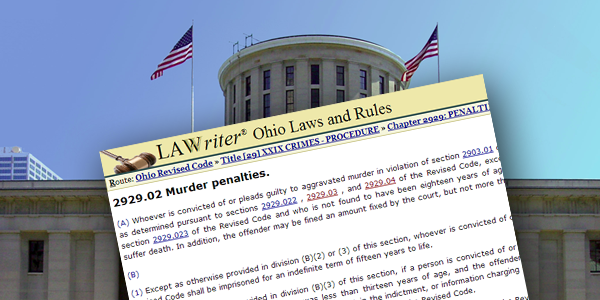
1982 Image: https://s.hdnux.com/photos/01/30/54/06/23249304/3/ratio4x3_1920.jpg
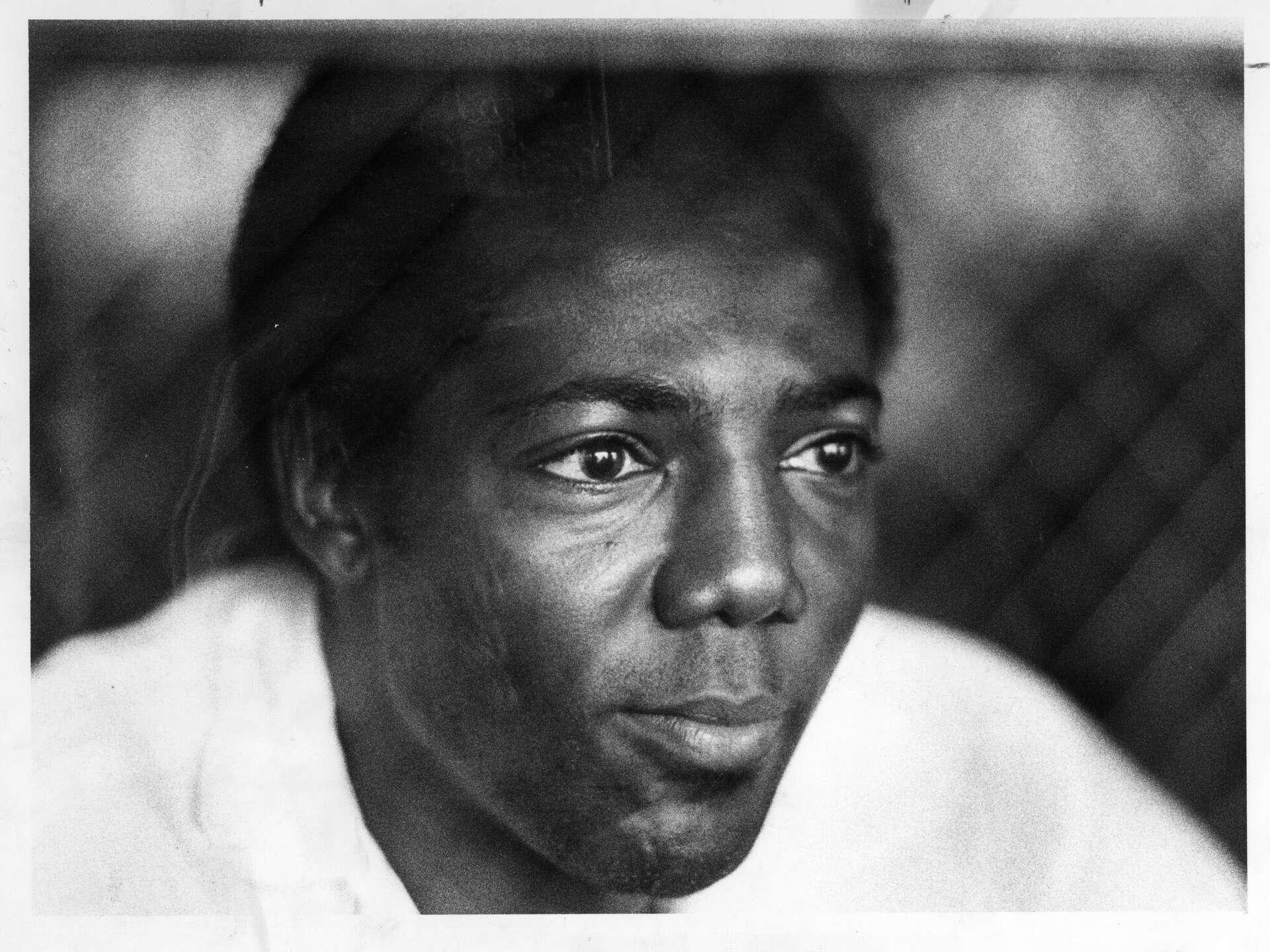
1983 Image: https://images.findagrave.com/photos/2025/182/148002011_b64bd1af-7fc5-4877-9d17-06eb08ff3c92.jpeg

1984: Image: https://ejusa.org/wp-content/uploads/SCOTUS-public-domain.jpg
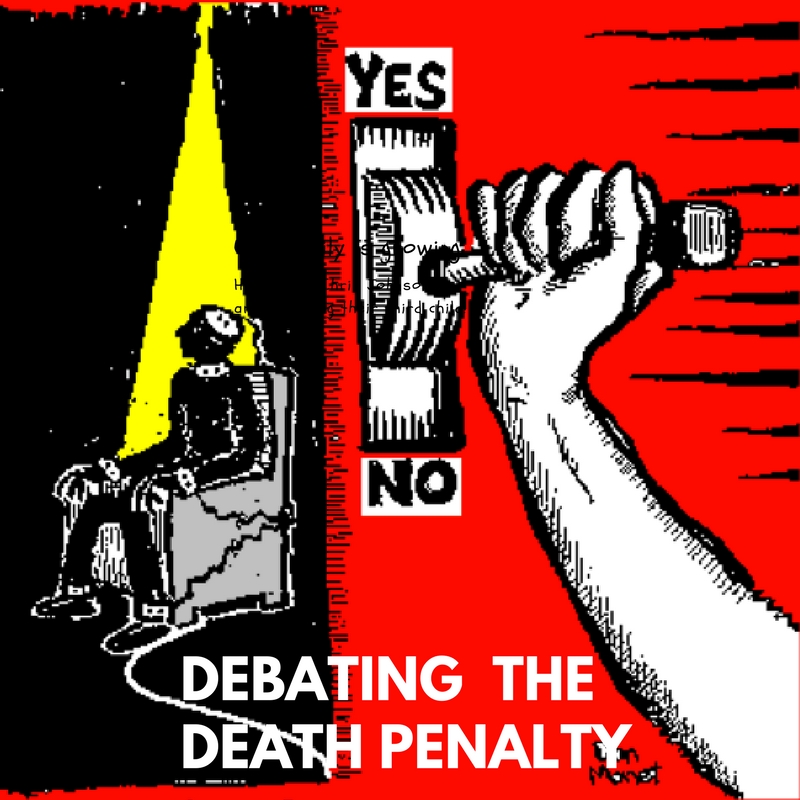
1985 Image: https://lincolnliontales.com/wp-content/uploads/2018/03/Debating-the-Death-Penalty.jpg
1986 Image: https://www.ojp.gov/pdffiles1/Digitization/106483NCJRS.pdf

1988 Image: https://ibw21.org/wp-content/uploads/2018/04/Ronald-Reagan-Nancy-Reagan-signing-Anti-Drug-Abuse-Act-1988.jpg

1989 Image: https://pbs.twimg.com/media/Fl0xp-CWQAYMxh8.jpg

1990 Image: https://encrypted-tbn0.gstatic.com/images?q=tbn:ANd9GcQ0gNousWyEKPASXQ2ScuDO-CPY7kgznOzfCw&s
1991 Image: https://azmirror.com/wp-content/uploads/2021/09/us-senate-floor.jpeg

1992 Image:https://cdn.theatlantic.com/media/mt/tanehisicoates/Roger_Coleman_Time_Cover.jpg
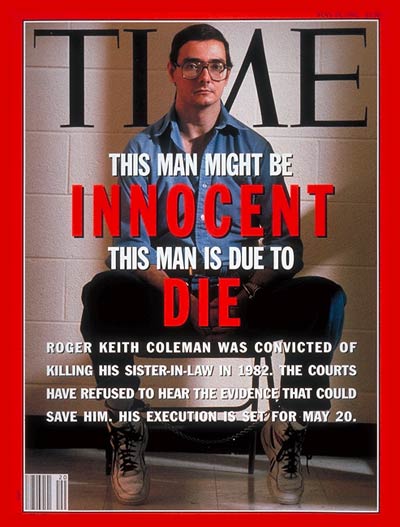
1993 Image: https://m.media-amazon.com/images/S/compressed.photo.goodreads.com/books/1481356297i/2689513.jpg

1994 Image: https://assets.aclu.org/live/uploads/2019/09/web19-1994-crime-bill-1160×768.jpg
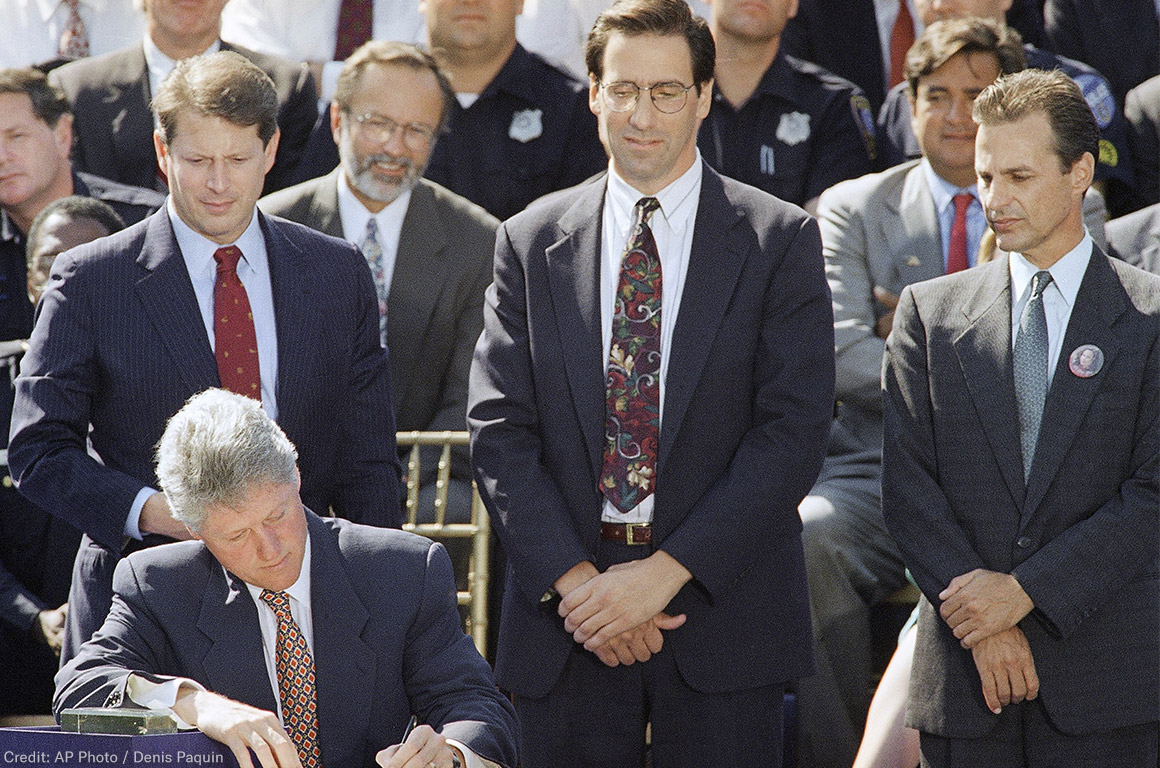

1996 Image: https://i.ebayimg.com/images/g/fQ8AAOSw6WleyM2D/s-l1200.jpg
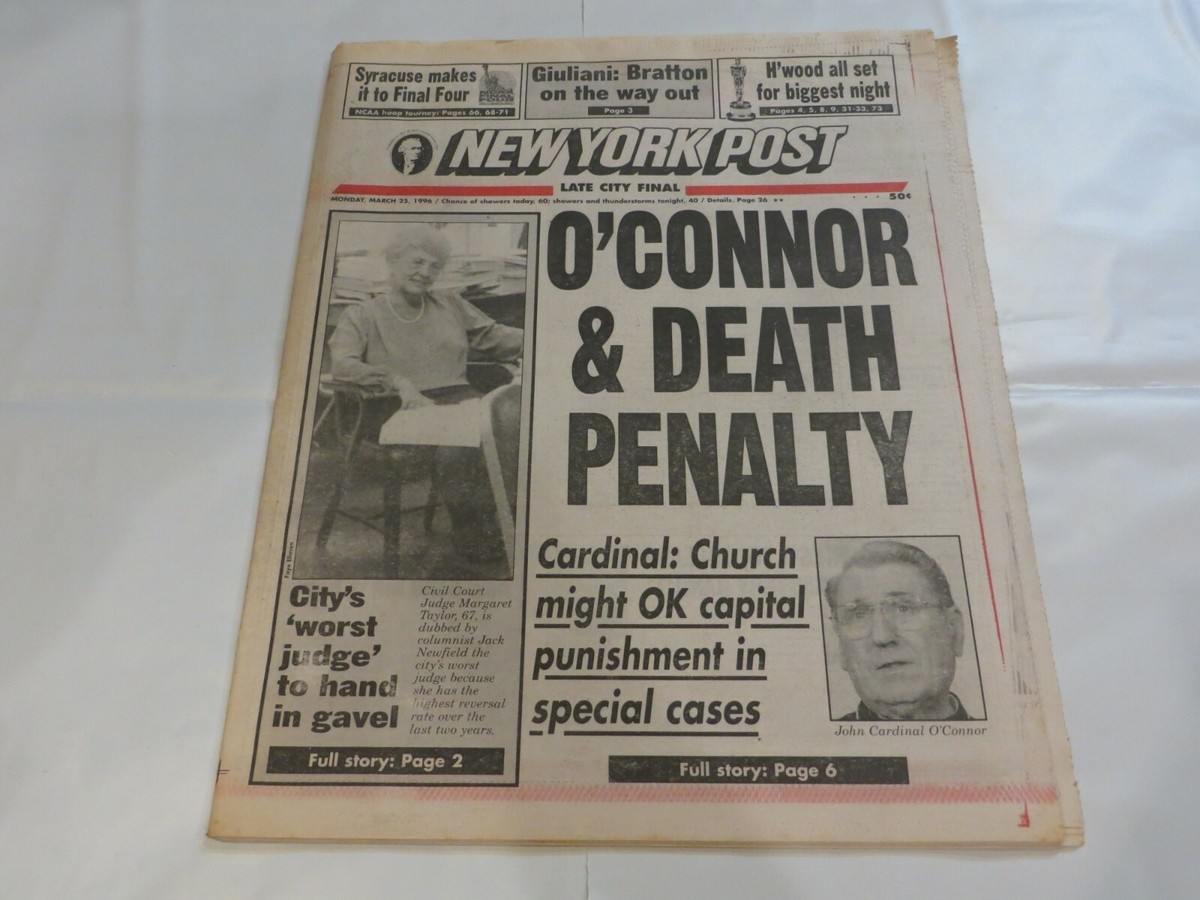


1999 Image: https://www.law.virginia.edu/system/files/news/feingold_art.jpg


2001 Image: https://www.theguardian.com/us-news/2022/jan/27/oklahoma-executes-man-2001-murder-hotel-workers
2002 Image: https://vtdigger.org/wp-content/uploads/2018/07/donald-fell.jpg

2003 Image: https://murderpedia.org/male.J/images/j/jones_louis/jones1.jpg

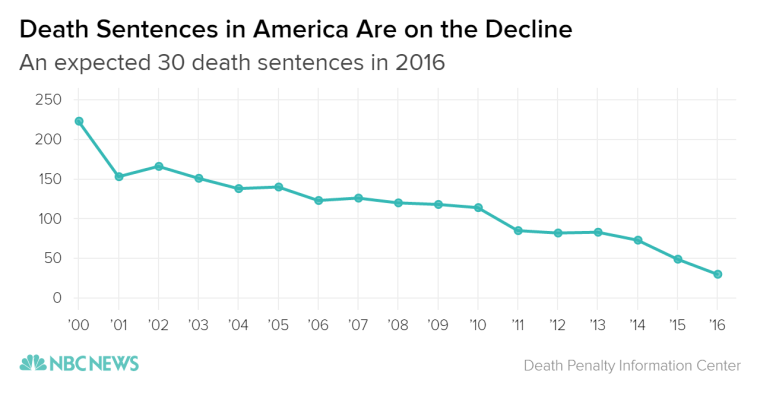
2005 Image: https://www.workers.org/wp-content/uploads/executions_0716.jpg
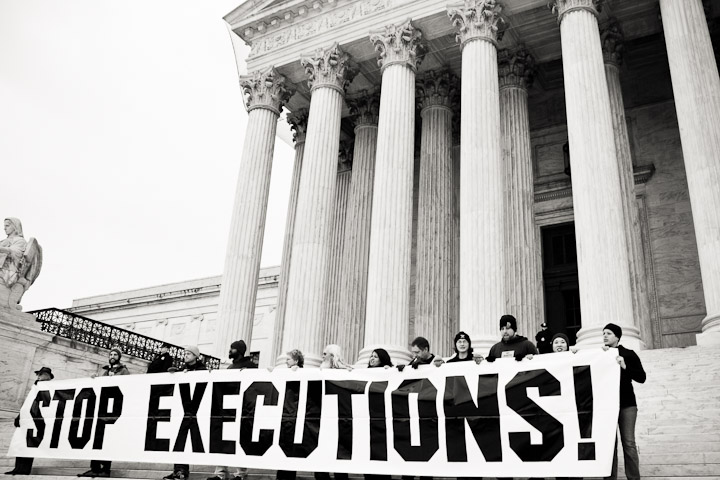
2006 Image: https://www.newsservice.org/getimage.php?p=c2dpZD05NzY5MyZzaWQ9MQ==

2009 Image: https://www.archbalt.org/wp-content/uploads/2017/05/CNS-FRI-3-DEATH.jpg


2011 Image: https://encrypted-tbn0.gstatic.com/images?q=tbn:ANd9GcR0EKfKvLJeStCFtkJEUVUdtpIHAxiafUm4lA&s
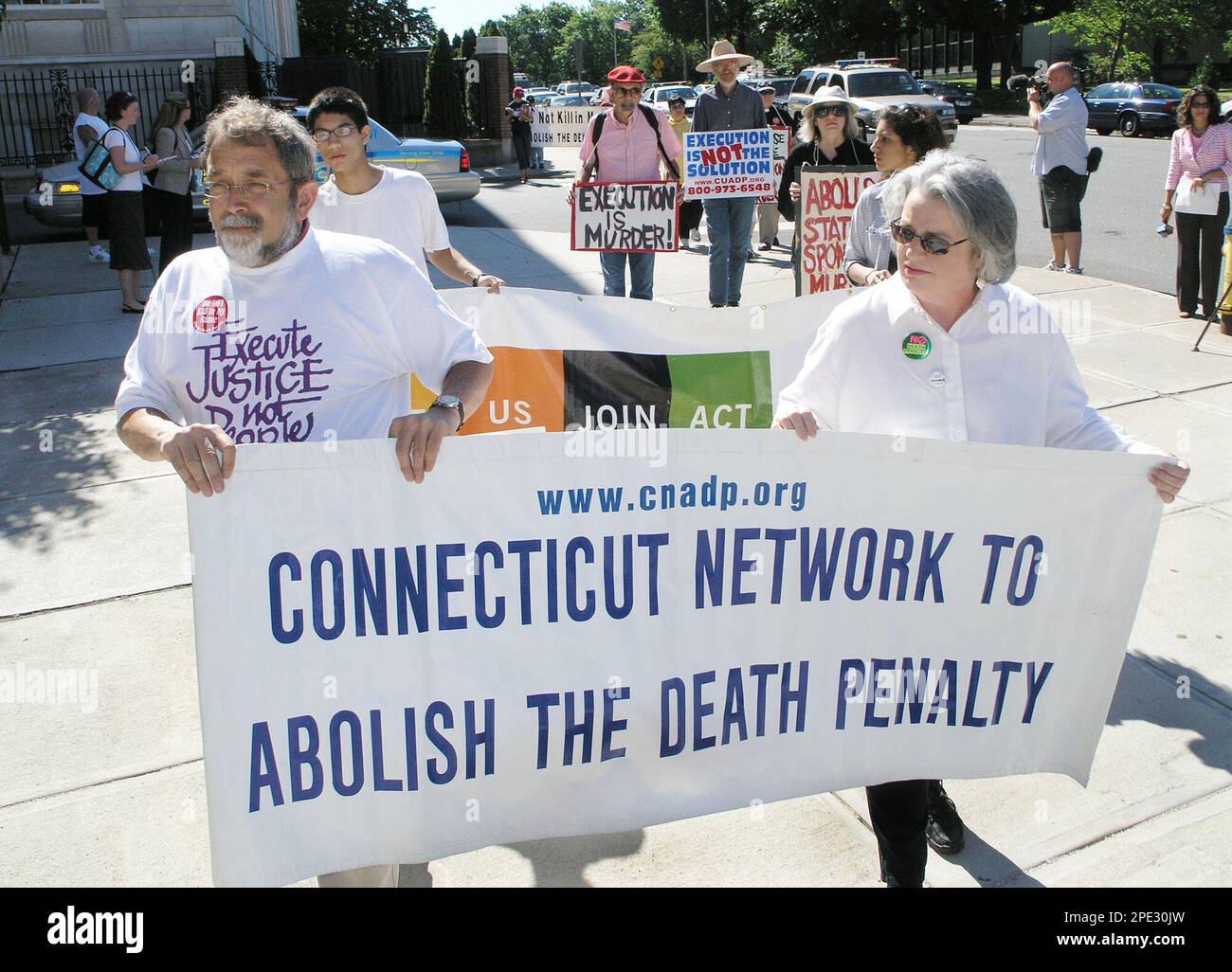
2013 Image: https://tcadp.org/wp-content/uploads/2025/08/Untitled-design-1-scaled.png

2014 Image: https://www.workers.org/wp-content/uploads/2014/10/houston_1106-1280×720.jpg

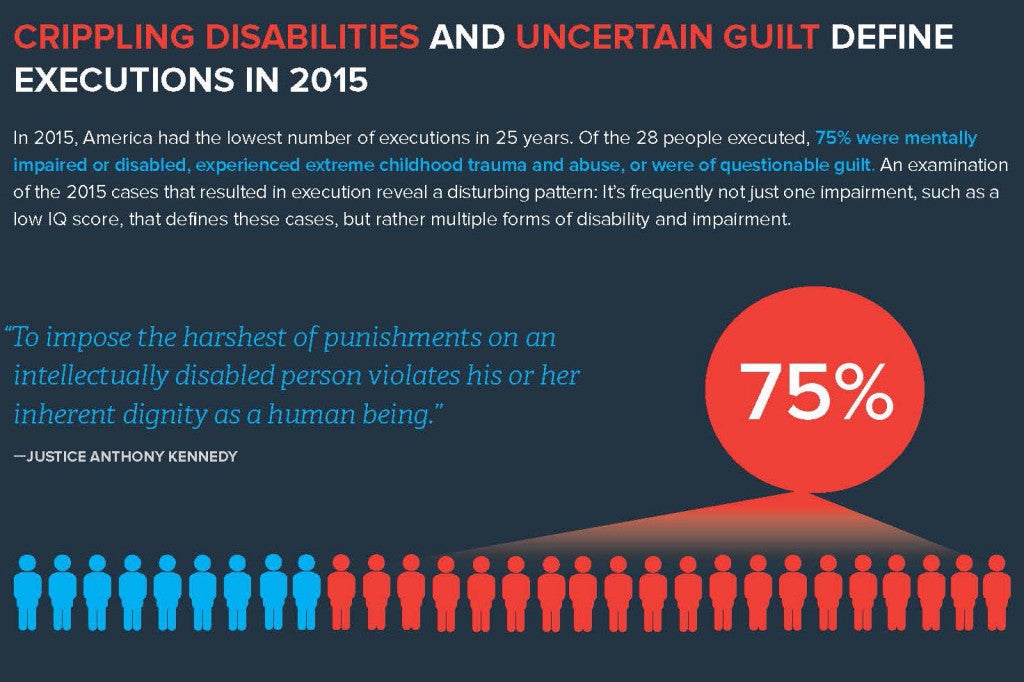

About Us Image:
https://www.ksn.com/wp-content/uploads/sites/13/2023/02/111.jpg?w=1280

Video on Home Page:
https: //www.youtube.com/watch?v=2uDyUCaCewo
Mini Texas Logo:
https://cdn.freebiesupply.com/logos/large/2x/texas-longhorns-logo-black-and-white.png
